Engineers are pulled in after the event
Alarms tell teams that a limit has been crossed. The engineering investigation into why it happened often starts only after performance has already deteriorated.
Give every process an engineer that never stops watching. Veldar continuously understands process behaviour, investigates deviations, identifies opportunities and helps your team determine what should happen next.

Alarms tell teams that a limit has been crossed. The engineering investigation into why it happened often starts only after performance has already deteriorated.
Historians contain years of process data, but engineering teams rarely have time to investigate every drift, inefficiency or emerging constraint continuously.
Experienced engineers carry critical process context in their heads. Veldar helps make that reasoning persistent, repeatable and available across the operation.
Veldar works alongside your operations and engineering teams, continuously turning plant data into engineering work: observing the process, building context, investigating what is changing, evaluating options and recommending the next action. It complements the systems already running the plant rather than replacing them.
Continuously reads SCADA, historians, PLCs, sensors, CMMS, laboratory data and engineering records.
Understands design intent, operating envelopes, asset relationships, process constraints and current operating state.
Uses engineering knowledge, first-principles models and available analytical tools to test hypotheses and explain behaviour.
Evaluates causes, constraints, trade-offs and scenarios before recommending the most appropriate next action.
Works through people and existing systems today, then learns from outcomes and progresses toward bounded autonomy where appropriate.
Each deployment begins where the operational value is clearest. The same intelligence layer can then extend across assets, process units and sites.
Identify developing faults from the physical behaviour that causes them—not only from late-stage vibration or temperature symptoms.
Compare current operating behaviour with physics-based efficiency baselines to find drift, fouling and poor setpoints.
Use mass and energy balances to distinguish true capacity constraints from avoidable operating inefficiency.
Explore changes in feedstock, throughput targets, equipment configuration or operating conditions before applying them in the plant.
Ground progressively more automated decisions in physics, process constraints and human-defined operating limits.
Veldar reasons from process relationships, physical laws, design intent and operating evidence—not historical correlation alone.
Like an engineer, Veldar can combine evidence, calculations, models and competing hypotheses to work through why a process is behaving differently.
Recommendations can show evidence, assumptions and constraints, while actions remain bounded by engineering limits and human-defined operating envelopes.
Veldar is designed for asset-intensive continuous-process environments where engineers must make sense of interconnected physical systems, ageing equipment and fragmented operational data.
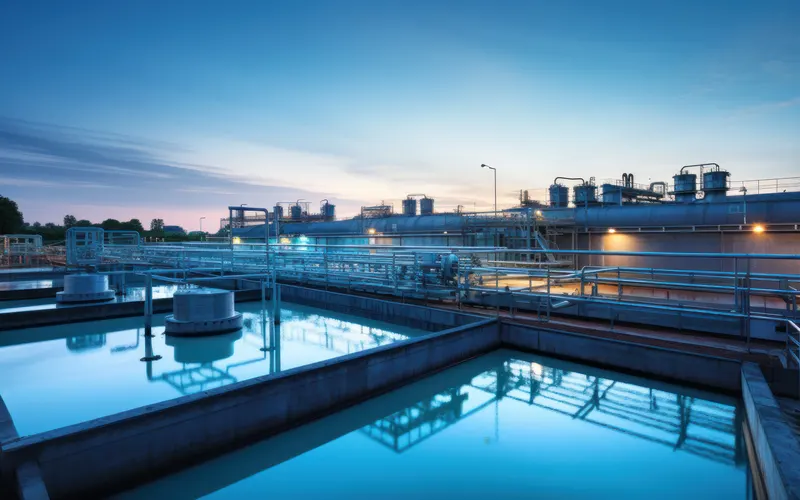
Network performance, pumping efficiency, treatment process stability and lifecycle planning.
Fluid systems
Energy balances, debottlenecking, heat transfer, rotating equipment and continuous process optimisation.
Continuous process
Throughput, quality consistency, thermal processing, utility use and production-line reliability.
Production systems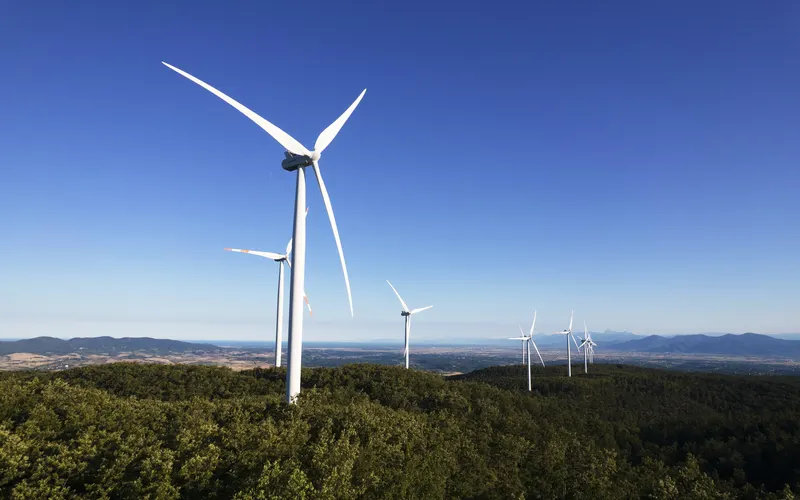
Asset integrity, efficiency, remote operations and safe automation across critical infrastructure.
Critical infrastructure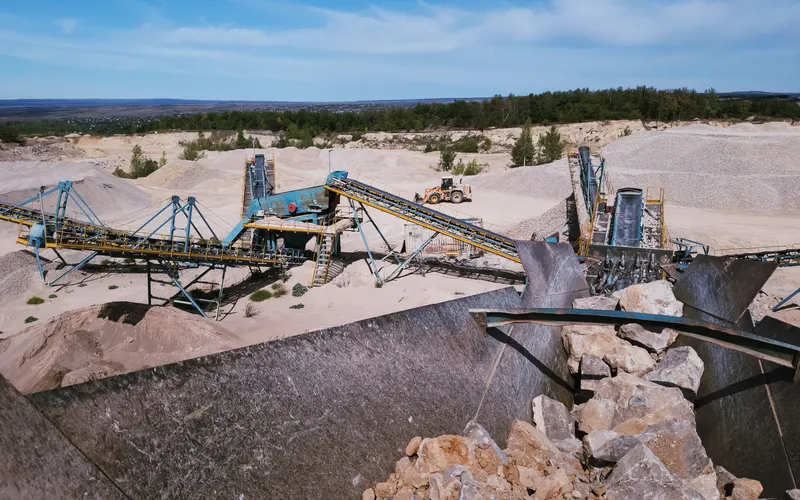
Comminution, pumping, material flow, energy intensity and equipment lifecycle intelligence.
Asset intensive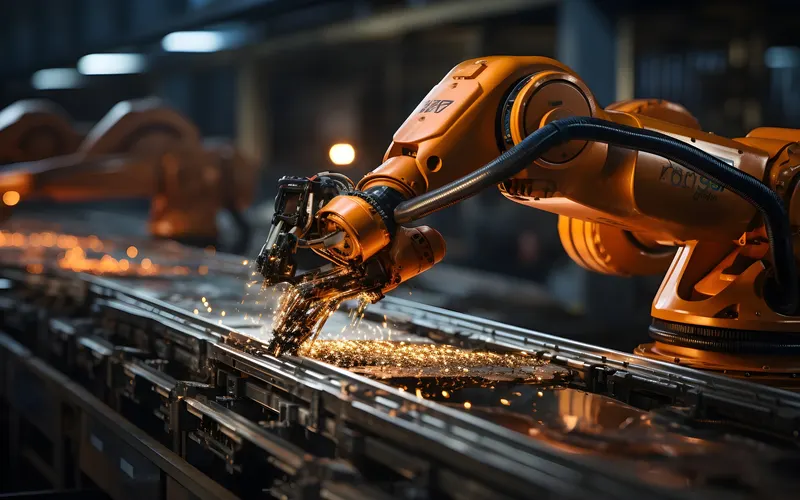
Process stability, resource efficiency, equipment performance and physics-grounded automation.
Industrial productionVeldar is working with a small number of industrial organisations to identify high-value engineering workflows, prove measurable outcomes and define the path from decision support toward trusted autonomy.
Discuss a Design PartnershipWe begin with a focused engineering problem: a process deviation, recurring investigation, optimisation opportunity or decision your team would benefit from understanding continuously.